


Research Progress
Significant Breakthrough in Non-Aqueous Hydrogen Oxidation Reaction
The Changchun Institute of Applied Chemistry, Chinese Academy of Sciences (CIAC, CAS) has achieved an important breakthrough in the field of non-aqueous hydrogen oxidation reactions (HOR). The research team led by Zhang Xinbo successfully developed a nickel single-atom surface-modulated platinum-based catalyst that exhibits nearly 100% Faradaic efficiency and over 1000 hours of long-term stability (compared to commercial platinum electrodes, which last less than 0.2 hours) in tetrahydrofuran (THF) electrolyte, achieving efficient and sustained hydrogen oxidation. This single-atom doping strategy for modulating noble metal surfaces opens new avenues for designing efficient and poison-resistant catalysts. The related research results were published in the prestigious international chemistry journal Angewandte Chemie International Edition under the title "Surface Modulated Platinum Electrocatalyst via Single Atom Nickel Promoter for Durable Non-aqueous Hydrogen Oxidation."
Lithium-mediated nitrogen reduction is considered one of the most promising green ammonia synthesis technologies. In traditional systems, organic solvent oxidation serves as the proton source for the reaction; however, this process leads to system instability, severely hindering continuous ammonia synthesis. Recently, using HOR to replace the original solvent oxidation reaction provides a sustainable proton supply, bringing new opportunities for continuous ammonia synthesis. However, HOR in organic electrolyte systems faces challenges including intrinsically sluggish reaction kinetics and catalyst poisoning/deactivation by solvents and carbon-based intermediates.
To address these challenges, the research team designed and synthesized a nickel single-atom surface-modulated platinum-based catalyst (PtNi₁), utilizing Ni single atoms to modulate the electronic structure of the Pt catalyst, optimizing hydrogen intermediate adsorption-desorption behavior and accelerating intrinsic HOR kinetics. Strongly THF-adsorbing Ni single-atom centers were constructed to preferentially adsorb competitive organic molecules, preventing poisoning of Pt sites. Benefiting from enhanced hydrogen oxidation kinetics and suppression of solvent oxidation side reactions, the system achieved significantly improved selectivity and stability.
The PtNi₁ electrocatalyst not only achieved efficient HOR (Figure 1a) but also demonstrated far superior anti-poisoning performance compared to commercial Pt electrodes (Figure 1b), achieving nearly 100% HOR Faradaic efficiency in THF electrolyte (Figure 1c) and over 1000 hours of stability (Figure 1d). The team proposed that nickel single atoms primarily optimize the electronic structure of Pt sites through a "ligand effect" (Figure 2a) to promote the H* desorption step (Figure 2b), effectively reducing the energy barrier of the rate-determining step (Figure 2c); simultaneously, as "cooperative sites," they alter the THF adsorption configuration (Figure 2d), raising the energy barrier for THF oxidative decomposition and thereby suppressing solvent oxidation at Pt sites (Figure 2e). Coupling this anode process with lithium-mediated nitrogen reduction reactions enables continuous ammonia synthesis in a flow reactor, achieving 56.6% ammonia Faradaic efficiency and 7.77 nmol s⁻¹ cm⁻² yield at a current density of 40 mA cm⁻², with energy consumption approximately 42% lower than the traditional "sacrificial solvent method." Thanks to these performance advantages, the catalytic electrode can be directly applied to distributed green ammonia production, hydrogen-ammonia coupled energy storage, non-aqueous fuel cells, and other energy storage and conversion technologies.
This research was supported by the National Key R&D Program and the National Natural Science Foundation of China.
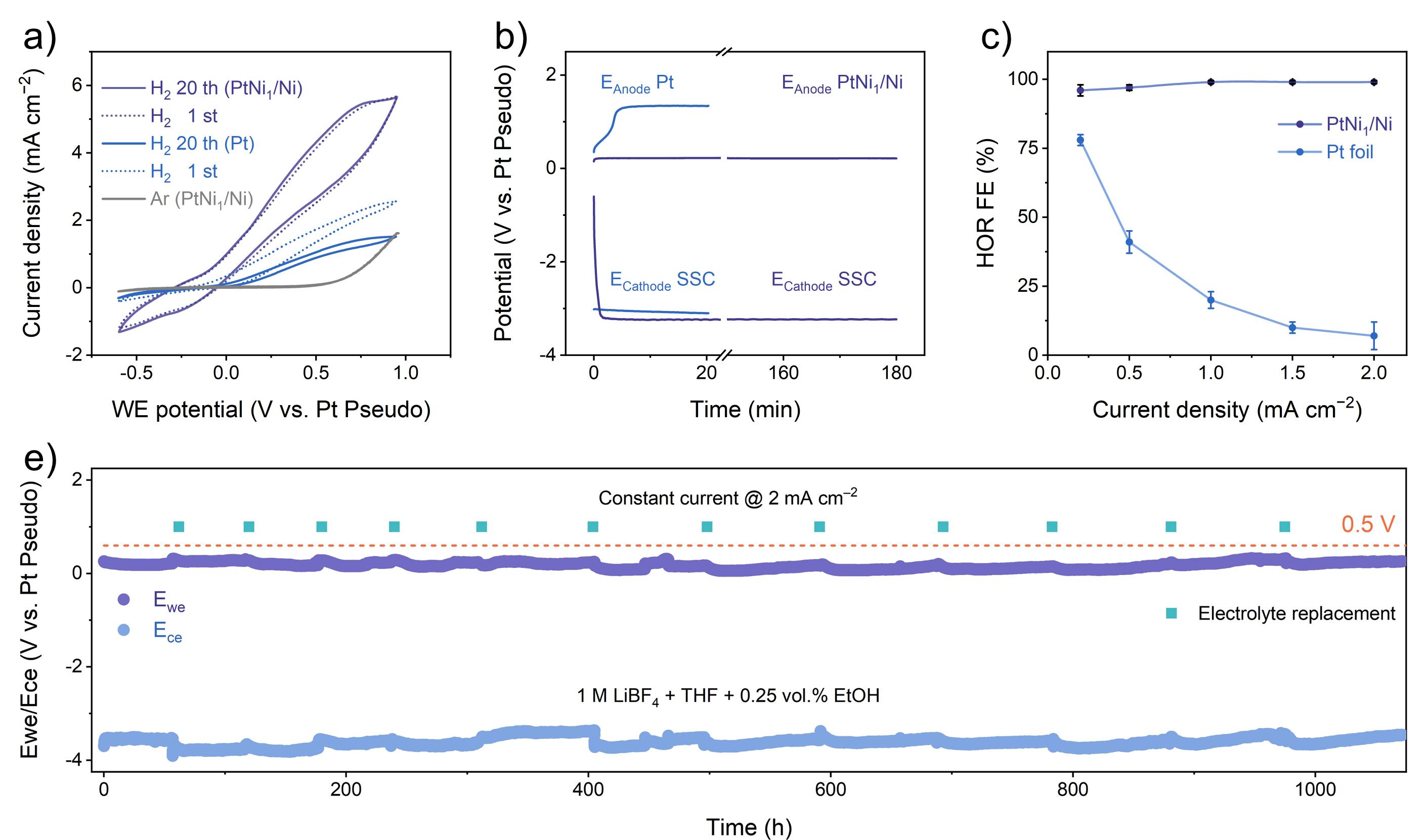
Figure 1. Electrocatalytic hydrogen oxidation reaction performance.
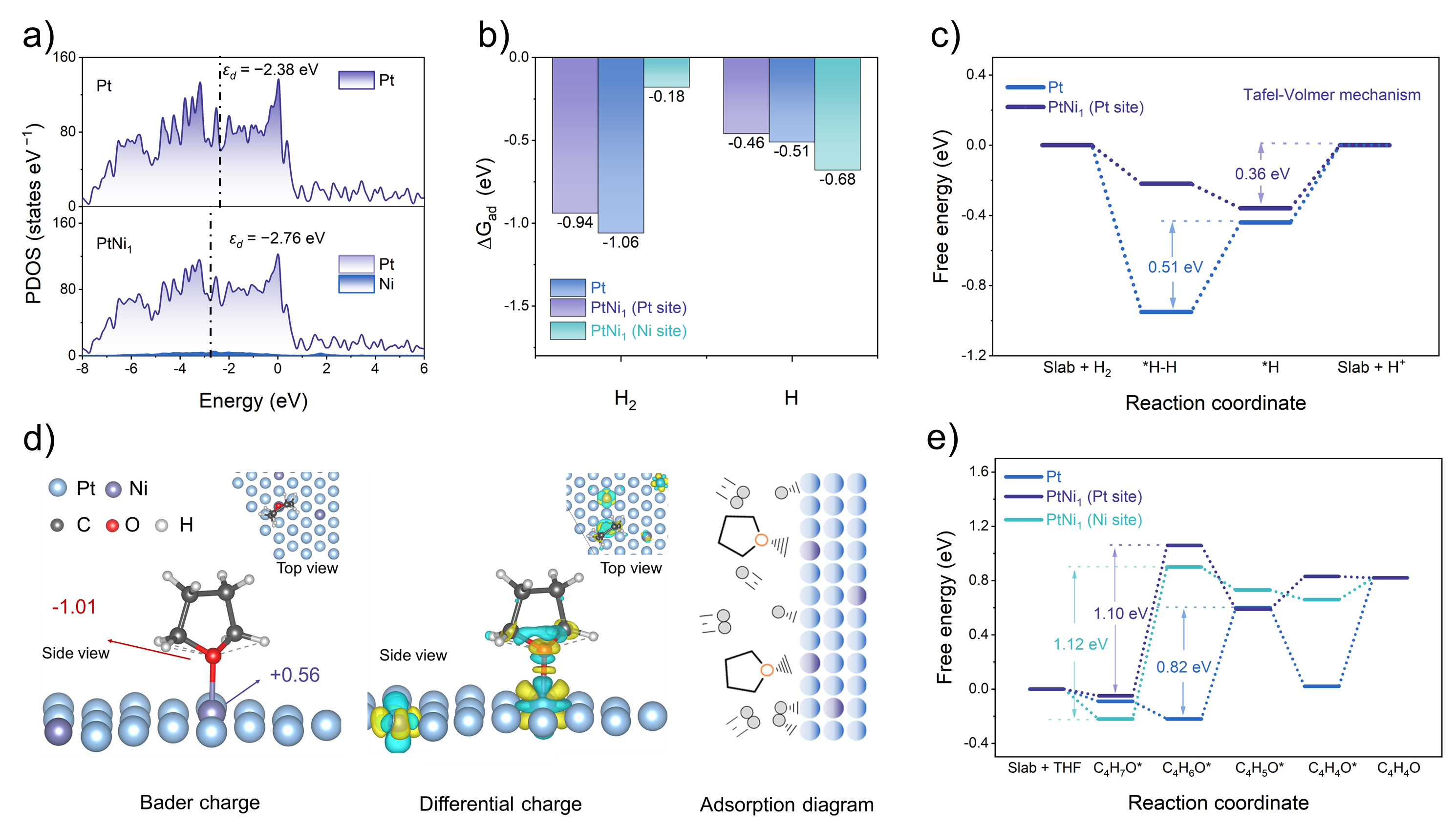
Figure 2. Anti-poisoning mechanism study.
The research results are published in Angewandte Chemie International Edition:
https://doi.org/10.1002/anie.202522380
(Contributed by: High-Energy Chemical Power Sources and Clean Energy Materials Research Group)


 Address: No. 5625 Renmin Street Changchun City Jilin Province P.R. China
 Tel: 86-0431-85687300